How Much Does Branding Cost in 2026?
How much does branding cost in 2026? Explore real pricing—from €710 logos to €180K+ rebrands—plus what actually drives costs and how to choose the right investment.

How much does branding cost in 2026? Explore real pricing—from €710 logos to €180K+ rebrands—plus what actually drives costs and how to choose the right investment.
Real projects across branding, packaging, websites and growth.
Straight answers on this topic from the UnFoldMart team.
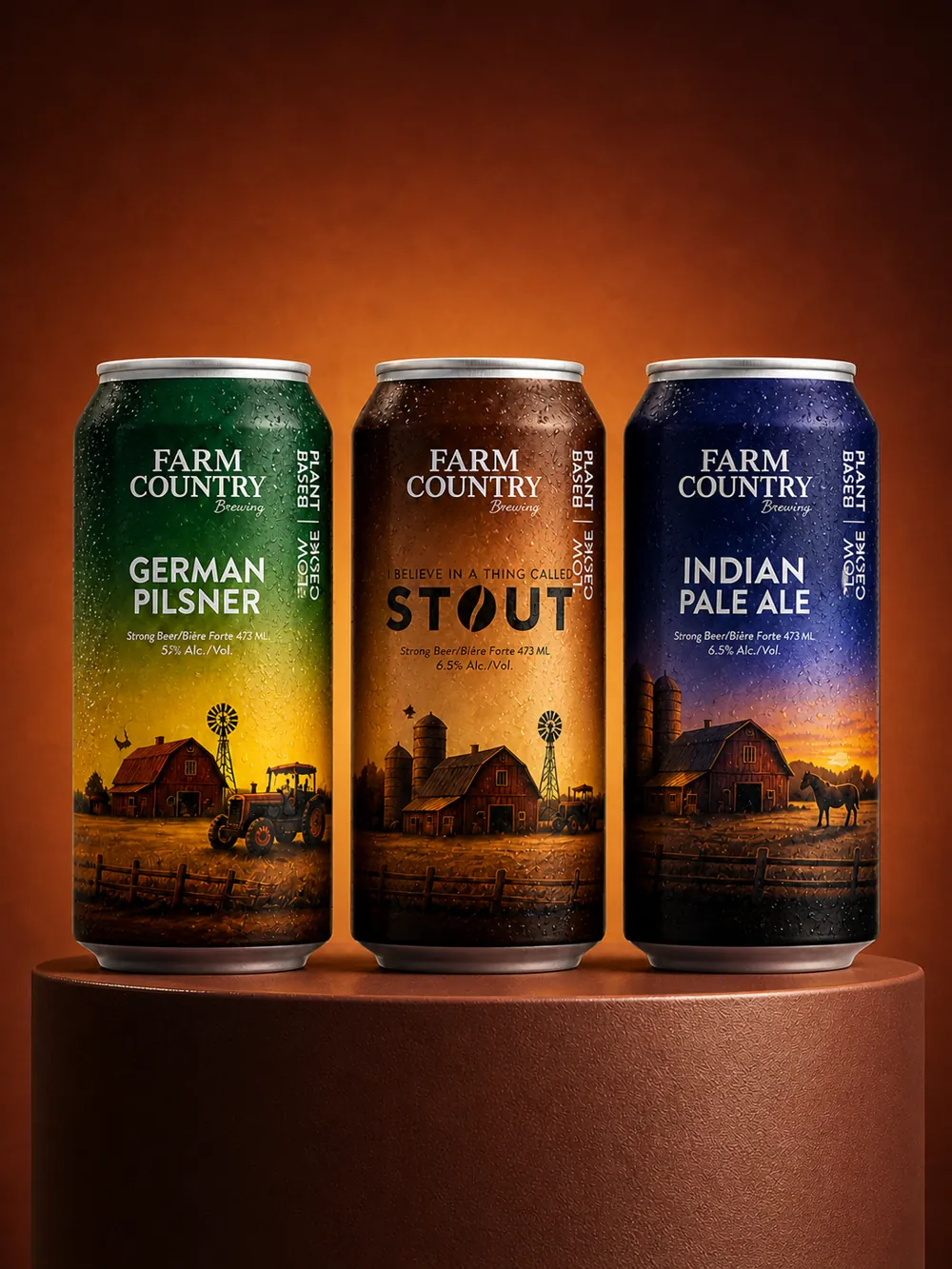
From branding and packaging to Webflow websites, SEO, AEO and GEO, UnFoldMart brings strategy, design and growth under one team for 250+ brands across 10 markets. Tell us where you want to grow and we'll show you the fastest way there.
Branding costs in 2026 range from €710 for a basic logo design to €180,000 or more for full enterprise rebrands. The biggest factor is what you actually need: a logo, a complete visual identity package, full brand strategy, packaging design, or all of it. Below, real ranges for each project type, what actually changes the price, and how to evaluate proposals without overpaying.
This guide is the sister post to our SEO Agency Pricing 2026 breakdown. Same goal: take the mystery out of agency budgets so you can plan with confidence.
Search "how much does a logo cost" and you will see prices from €45 to €1.6M in the same article. That is not because the article is wrong. It is because branding is one of the few professional services where the same job description can mean ten different things.
A "logo" from a Fiverr designer is one PNG file delivered in 48 hours. A "logo" from Pentagram is the result of a 4-month strategic engagement involving brand research, internal interviews, multiple design directions, and a 200-page guidelines document. Both are technically a logo. The price difference is not arbitrary, it reflects a 100x difference in scope, strategy, and team.
To budget intelligently, you need to think in project types, not in flat rates. A startup founder asking "what should I pay for branding" is asking the wrong question. The right question is: what type of branding project does my business need right now, and what does that specific scope cost?
Before discussing project-type pricing, it helps to understand how branding agencies and freelancers structure their fees. There are three dominant models, and the model affects the total cost as much as the scope itself.
Agency or freelancer quotes a fixed price for a defined scope of work. You agree to deliverables up front; the agency absorbs the risk of going over hours. Best for: brands with a clear scope and fixed budget. Risk: scope creep can trigger change orders or quality compromises if the original scope was estimated optimistically.
Agency offers tiered packages with fixed deliverables and pricing. You pick the tier that matches your stage. Common with productised studios serving early-stage brands. Best for: pre-launch and early-stage businesses where the project scope is well-understood. Risk: you might pay for deliverables you do not need or miss things you do.
Agency bills monthly retainer or hourly. Common for ongoing brand evolution work, packaging line extensions, marketing materials. Best for: established brands with continuous design needs. Risk: budgets can balloon without active scope management; harder to predict total cost.
Most one-time branding projects use Model 1 (project-based). Most ongoing relationships use Model 3 (retainer). Model 2 (packages) sits between the two and dominates the early-stage segment because it lowers buying friction.
Buyers often assume agency size or geographic location are the main cost drivers. Neither is true at scale. The five factors below explain almost all of the price variance you will see across proposals for similar-sounding scopes.
1. Scope of deliverables: a logo is one asset; a full brand system is 50+ assets across digital and print. Scope is the single biggest cost driver, not agency size or location.
2. Strategy depth: brands that need positioning, customer research, and messaging frameworks pay 40 to 80% more than brands that already know who they are and just need execution.
3. Team seniority: a senior creative director runs €180 to €360 per hour; a junior designer runs €45 to €89. Studios billing €220 average have a different output ceiling than studios billing €71 average.
4. Timeline pressure: 4-week rush jobs add 25 to 50% over standard 8 to 12-week timelines. Most agencies will not compress below 4 weeks regardless of budget.
5. Application count: design for 3 touchpoints vs design for 30 touchpoints can 10x the price even when the brand identity is identical. Count applications carefully when scoping.
Most bad branding outcomes are predictable from the proposal stage. The patterns below consistently lead to disappointment regardless of the agency price tier.
Unlimited revisions promise: nobody works unlimited rounds at fixed price. The studio either burns out or delivers the bare minimum.
Logo-first conversation with no questions about your business: good designers ask about customers, competitors, and goals before sketching anything.
Stock or template logo sold as bespoke: reverse image search the proposed concepts on Logolounge, 99designs, or Google Images before approval.
No brand guidelines deliverable: a logo without usage guidelines breaks the moment a third party touches it.
Massive discount or 24-hour turnaround promise: branding does not work that way; the work needed to do it well takes weeks of strategic thinking.
No portfolio of comparable scope: if their case studies are all €1,300 logos, they are not equipped to deliver a €44,500 brand identity.
Vague pricing on the proposal: good agencies itemise. Lump-sum pricing without a deliverables breakdown almost always hides scope creep later.
Before signing any branding contract, run the proposal through these seven questions.
1. What does discovery and strategy look like? If the answer is we will send a brief, they are skipping the most valuable phase.
2. Who is on the team and what is their experience? Get named senior practitioners on the contract, not studio resources.
3. How many revision rounds at each phase? 3 rounds at concept, 2 at refinement is standard. Beware of unlimited or 1 round only.
4. What does the brand guidelines document include? Page count, sections covered, formats delivered.
5. Who owns source files at the end? You should. Get this in writing before signing.
6. What happens if we need changes after delivery? Hourly rate, retainer option, or hand-off to internal team?
7. Can you share 3 references from similar-scope projects? Talk to past clients; this single step prevents 80% of bad agency hires.
Branding is one of the few investments that can be both too early and too late. The right benchmark depends on company stage.
Pre-launch / MVP: €1,300 to €4,500. Logo plus minimal visual identity. Skip strategy work for now.
Pre-seed to Seed: €4,500 to €18,000. Full visual identity, basic brand voice, web-ready assets.
Series A: €18,000 to €67,000. Full brand identity with strategy, photography direction, web design integration.
Series B and up: €44,500 to €225,000+. Full rebrand if needed, motion identity, packaging system, internal rollout programme.
Established (rebrand): €67,000 to €445,000+. Strategic repositioning, customer research, full system replacement, change management.
Our pricing follows the same transparency principle as our SEO Agency Pricing 2026 breakdown. We itemise. We name the team running the work. We share fixed pricing on visual identity packages and provide detailed scope-of-work documents for full brand identity engagements.
A typical UnFoldMart visual identity package is priced on request and includes brand strategy intake, 3 design directions, full asset library, brand guidelines (25 to 40 pages), and basic application across digital and print touchpoints. A full brand identity engagement: price on request depending on scope, with strategy phase scoped separately so you can engage just the strategy work or just the visual work as your business needs.
Pricing is the easy part of the conversation. The harder part is figuring out which type of branding project your business actually needs right now, and how to brief the work so it returns the investment over the next three years.
We do this in a 30-minute strategy call: review your current brand position, talk through which project type fits your stage, and give you a realistic budget range based on your specific industry and competitive context. No sales pitch, just clarity.
Got Questions? We’ve Got Answers – Clear, Simple, and Straight to the Point
Graphic design is a tactical discipline that produces specific visual outputs: posters, social media assets, presentations, print collateral. Hourly rates run €45 to €180 depending on seniority. Project rates depend entirely on what you are designing. Branding is a strategic discipline that produces a system of visual and verbal identity that informs all future graphic design work. The system itself is the deliverable, not any single asset within it. Branding requires customer research, positioning work, voice development, and visual identity design that all need to hold together as a coherent whole. You can have great graphic design without strong branding (the work looks good but lacks coherence over time), or strong branding without great graphic design (the strategy is sound but execution is uneven). The best outcomes have both. When pricing, ask agencies whether they are quoting branding work, graphic design work, or a combination, because the value and time involved are quite different.
Logo design only: 2 to 5 weeks from kickoff to final delivery. Visual identity package: 4 to 8 weeks. Full brand identity engagement: 8 to 16 weeks. Brand refresh: 4 to 10 weeks. Full rebrand: 12 to 24 weeks. Packaging design: 3 to 8 weeks per SKU, longer for multi-SKU systems. Most agencies will not compress these timelines below the lower bound regardless of budget, because the work involves stages that cannot be rushed: customer research takes weeks of recruiting and synthesis, design exploration needs time for ideas to surface, revision rounds need time for stakeholder review. Rush projects (4-week visual identity, for example) typically add 25 to 50% to the price, and quality usually drops. If a deadline is fixed, scope down rather than compressing time. A well-executed minimum-viable brand beats a poorly-executed full brand identity every time.
Yes, but only at certain scopes. A senior freelancer or boutique studio can deliver a strong logo plus basic visual identity (logo, colours, typography, primary application templates) at €2,700 to €4,500. The work will be high quality if you choose the right partner. What you cannot get for under €4,500 is full brand strategy work, multi-touchpoint applications across packaging and web, comprehensive guidelines documents, or photography and motion direction. If you need those things, the budget needs to scale. For most early-stage businesses, the under-€4,500 tier is exactly right. Spend conservatively now, prove product-market fit, and reinvest in branding properly when you have the customer evidence and runway to do it well. Most rebrands at Series A would have been unnecessary if the original brand had been kept simpler at the MVP stage.
Branding is a service category where the same job description can mean ten different things. A €450 logo from Fiverr is one PNG file delivered in 48 hours. A €44,500 logo from a strategy-led agency is the result of customer research, competitive analysis, multiple design directions, and a comprehensive guidelines document. Both are technically logos. The 100x price difference reflects a 100x difference in scope and team experience. Three factors drive most of the price variance: scope of deliverables (one logo vs. 50+ assets across digital and print), strategy depth (skip strategy or include it as a full discovery phase), and team seniority (junior designers at €45/hour vs. senior creative directors at €270/hour). When comparing proposals, ask each agency to itemise deliverables, name the team running the work, and break out strategy hours separately. Comparable scope makes price comparable. Same-deliverable, same-team, same-timeline proposals from different agencies usually fall within a 30 to 50% range, not the 10x range you see across "branding" generically.
For a pre-launch or MVP-stage startup, budget €1,300 to €4,500 for branding. This gets you a clean logo, basic colour and typography system, and core asset files. Resist the urge to spend more before product-market fit. Most early-stage founders who pay €18,000 for branding end up rebranding within 18 months as the company evolves. For pre-seed to seed-stage startups with funding, €4,500 to €18,000 is the right range. This buys a proper visual identity package with brand guidelines and basic application across digital touchpoints. The investment scales with the business, but more importantly, the brand is informed by actual customer feedback rather than founder assumption. The single biggest mistake at this stage is paying enterprise-tier prices for enterprise-tier scope when the business is still figuring out its positioning. Spend conservatively, and reinvest at Series A when you have customer evidence to inform the work.


.webp)