What is GEO? Generative Engine Optimisation Explained for 2026

GEO (GenerativeEngine Optimisation) is the practice of structuring your brand, content, andentity signals so that generative AI engines like ChatGPT, Perplexity, Claude,Gemini, and Google AI Mode cite your work when answering questions in yourdomain. Unlike SEO, which optimises for ranking position on traditional searchresults, and unlike AEO, which optimises for the answer slot above traditionalresults, GEO optimises for inclusion in the generated answer itself. The coreunit of measurement is citation count and citation position, not keywordranking.

The terminology mess: GEOvs AEO vs SEO vs AIO
The acronyms inthis space are used inconsistently across the industry, often interchangeably,and that confusion is part of why most teams approach AI search with the wrongtactics. Here is how UnFoldMart uses these terms, with the reasoning for eachdefinition.
SEO (SearchEngine Optimisation) is the original discipline. It targets ranking position ontraditional results pages: Google, Bing, Yandex, Baidu. The unit ofoptimisation is keyword position, ranging from 1 to 10 on the first page.Practitioners have been at this for over 25 years and the field is mature.
AEO (AnswerEngine Optimisation) emerged when search engines began surfacing direct answersabove the blue links. Featured snippets, People Also Ask boxes, and Google AIOverviews are AEO surfaces. The unit of optimisation here is whether your pageis selected as the answer source. AEO content reads differently from SEOcontent: shorter direct answers up front, question-shaped headings, structureddata that tells the engine your content is extractable.
GEO (GenerativeEngine Optimisation) is broader than AEO. It optimises for citation insidegenerative AI engines as a whole, not just within Google. ChatGPT browsing,Perplexity, Claude with web access, Google AI Mode, and Gemini all generateanswers from a synthesis of sources. GEO is about being one of those sourcebrands consistently, regardless of which engine the user queried.
AIO (AI OverviewsOptimisation) is sometimes used to refer specifically to the Google AIOverviews surface. We treat this as a subset of AEO, since AI Overviews are ananswer surface within Google. If a vendor or article uses AIO and AEO assynonyms, they are not wrong; they are using a slightly more granularvocabulary.
The practicalimplication of getting this terminology straight: an AEO strategy that focuseson Google answer slots will not, by itself, get your brand cited in ChatGPT. AGEO strategy that focuses on entity authority and citation chains will liftyour performance across all engines including AEO surfaces.
How generative enginesactually decide what to cite
Generativeengines do not pick citations randomly, and they do not simply parrot thehighest-ranking SEO results. They run a multi-stage scoring process thatweights different signals depending on the query type and the engine. Here isthe simplified mechanics.
First, the engineretrieves a candidate set of sources relevant to the query. This retrieval stepuses a mix of vector similarity (semantic match between the query and content),traditional search ranking (some engines call out to Bing or Google APIs forthis), and the engine's own content index built from its crawler.
Second, theengine scores each candidate source for credibility. This is where entityauthority becomes critical. Sources from brands with established Wikidataentries, Wikipedia presence, consistent NAP details across the web, andverifiable named authors get scored higher. Sources from sites with no entityfootprint, anonymous authors, or inconsistent metadata get scored lowerregardless of how well their content is written.
Third, the engineextracts citation-worthy passages from the high-scoring sources. This is whereon-page structure matters. Pages with answer-first openings, named statistics,and question-shaped headings provide cleaner extraction targets than pages buriedunder marketing prose.
Fourth, theengine synthesises the answer and decides which sources to cite explicitly.Most generative engines will cite 2 to 5 sources for a substantive answer. Thedecision of which sources to surface as citations is influenced by whether thesource provided unique information (not duplicated by other candidates),whether the source is recent, and whether the source has authority signalsmatching the query domain.
The takeaway: abrand-new website with great content cannot rank for GEO regardless of contentquality. The retrieval and credibility scoring stages will deprioritise it.This is why we keep telling clients that the work in months 1 to 3 of a GEOprogram is building the substrate, not waiting for traffic.
The 7 pillars of GEO
Most GEO adviceon the internet either lists 50 micro-tactics (overwhelming, hard toprioritise) or oversimplifies into 3 vague pillars (useful as marketing,useless as a roadmap). UnFoldMart's framework groups GEO work into 7 pillarsthat map directly to a 90-day implementation plan.
Pillar 1: Entityfoundation
Your brand mustbe a recognised entity in the data ecosystem. Practical actions: create aWikidata entry with a Q-number for your organisation, secure a Wikipedia draftonce you have notability (typically 2 to 3 tier-one media mentions), ensureconsistent NAP (name, address, phone) across all major directories, andimplement Organization JSON-LD with sameAs references linking to all of these.Without this foundation, generative engines have no reliable way to attributestatements to you.
Pillar 2: On-platformpresence
Generativeengines pull from platforms beyond your own website: Reddit threads, LinkedInposts, YouTube transcripts, Quora answers, podcast transcripts. If your brandand founder do not exist visibly on these surfaces, you are invisible to theparts of the AI engine that scrape outside the open web. The minimum viableon-platform footprint for B2B brands is: active LinkedIn company page, founderposting from a verified profile, Reddit presence in 1 to 2 industry-adjacentsubreddits, and a YouTube channel with at least 3 substantive videos.
Pillar 3: Citation chaindensity
AI engines citesources that other authoritative sources already cite. This is the citationchain effect. To activate it, you need third-party mentions in tier-onepublications, podcast appearances, guest posts on respected industry blogs, andoriginal research that other writers reference. Most agencies skip this workbecause it is labour-intensive and slow, but it is the single highest-leverageactivity for GEO. A brand with 8 to 12 third-party citations in year oneoutperforms a brand with 100 self-published blog posts.
Pillar 4: Content depthsignals
Page-levelcontent quality still matters, but it matters in a different way than for SEO.Generative engines look for: original data and statistics, named methodology,dated publication and update timestamps, named authors with verifiablecredentials, and structural markers like answer-first openings andquestion-shaped headings. A 6,000-word post stuffed with general industryknowledge ranks worse than a 2,500-word post with one original statistic and anamed author.
Pillar 5: Entity-awareschema
Schema markup forGEO requires more than just Article schema. The complete entity stack includesOrganization schema (linked to Wikidata via sameAs), Person schema for everyauthor (linked to LinkedIn via sameAs), Article schema on every blog post(linked to the Person and Organization), and BreadcrumbList schema on everynon-homepage. The graph structure ties your authors, organisation, and contenttogether as a coherent entity network that generative engines can traverse.
Pillar 6: Refresh velocity
Generativeengines weight recency heavily. A post dated 2023 gets progressively lesscitation weight as time passes, even if the content is still accurate. The fixis structural: every cornerstone post on your site should be reviewed andupdated visibly every 90 days, with the dateModified field updated and avisible "Last updated" line in the body. This signals freshness toengines without requiring you to write new content from scratch.
Pillar 7: Measurementdiscipline
You cannotimprove what you do not measure. Most teams skip GEO measurement because thetools are imperfect, but a manual citation matrix run weekly takes about 90minutes and is the only reliable way to baseline AI citation performance. Setup a query matrix of 8 to 12 questions your target audience asks, and checkeach one across all 5 major engines weekly. Log: was your brand cited, in whatposition, and what was the source URL. From day one. Without baseline data, youcannot tell when GEO investments start paying off.
GEO vs AEO: what overlapsand what does not
GEO and AEO sharetechnical foundations but diverge sharply on strategy. Both require strongon-page structure (answer-first openings, question-shaped H2s, schema markup,llms.txt, AI crawler accessibility). Both benefit from named authors and datedcontent. Both reward original data and named methodology over generic prose.
Where theydiverge: AEO success often correlates with traditional SEO authority. A pagethat already ranks well in Google has a structural advantage for capturing theanswer slot. GEO success depends much more heavily on off-page entity signals(Wikipedia, Wikidata, citation chains, on-platform presence) that may havenothing to do with your traditional SEO performance.
A practicalexample: a B2B SaaS brand might rank #1 on Google for its primary keyword andcapture the AI Overview answer slot, while being completely absent from ChatGPTand Perplexity citations because the founder has no public presence and thebrand has no Wikipedia entry. AEO won, GEO lost. Both disciplines needattention if you want full coverage of the AI search surface.
For the fullAEO playbook including technical foundations and content templates, read ourcompanion piece: What is AEO? Answer Engine Optimisation Explained for 2026
The off-page reality:where most GEO programs win or lose
If we had to pickone section of this article to emphasise, it would be this one. Most GEOprograms fail not because of poor on-page execution but because the teamunderinvests in off-page signal building. Here is what actually moves citationcounts.
Wikipedia andWikidata are foundational. Wikidata is achievable for any brand willing toinvest 2 to 4 hours creating a complete record. Wikipedia is harder because itrequires verifiable third-party notability (your own website does not count asa source). The path is: earn 2 to 3 tier-one media mentions, then have aWikipedia editor (not the brand itself) draft an entry citing those sources.
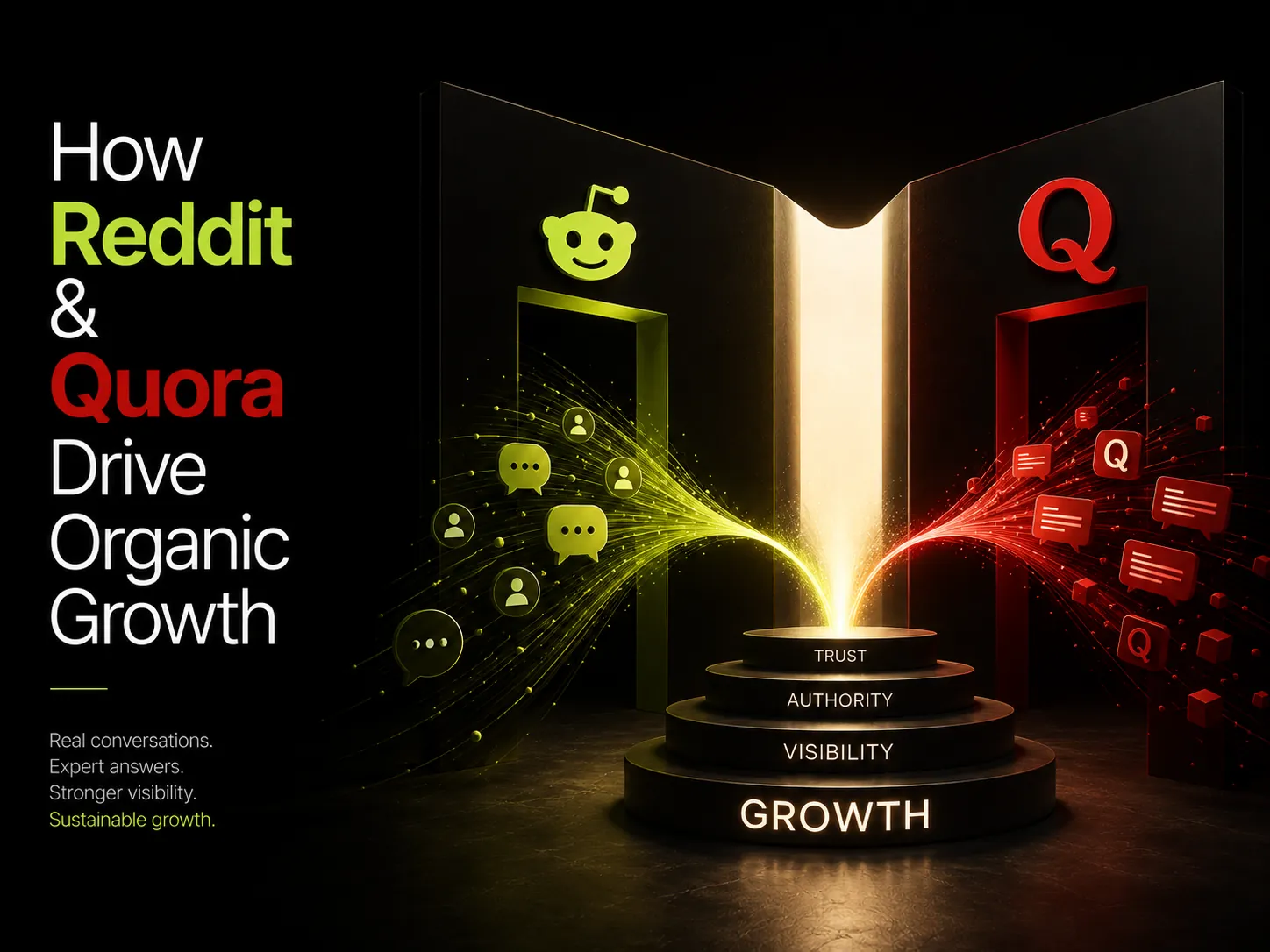
Reddit is themost underrated GEO surface. Generative engines pull heavily from Redditbecause the platform has high content density, named author tracking (usernameshave history), and topic-specific subreddit structures. The play is not to spamReddit with brand mentions; it is to have your founder or a senior team memberbecome a recognised contributor in 1 to 2 subreddits adjacent to your industry.Six months of substantive answers gets you cited as a source on those topics.
LinkedIn mattersmore for GEO than for SEO because LinkedIn posts are indexed by AI engines andthe platform has strong author identity verification. Founders posting fromverified profiles with a consistent posting cadence (3 to 5 posts per week)build entity authority that compounds. The content does not need to be polishedthought leadership; it needs to be regular, named, and substantive.
Podcastappearances earn citation weight through transcripts. When your founder appearson a podcast, the host typically publishes show notes, a transcript, andmetadata that links your name and brand to the topic discussed. Three to fivepodcast appearances in a launch quarter creates a small citation chain thatengines pick up.
Original researchis the highest-leverage off-page activity for any brand. Publish onesubstantive data study per year (annual benchmark report, industry survey,audit of 100 sites in your niche), pitch it to 8 to 12 trade publications, andyou will typically earn 5 to 12 mentions across that media set. Each mentionstrengthens your citation chain.
YouTube is aslow-build but durable signal. The minimum viable YouTube footprint for GEO is3 to 5 substantive videos with proper closed captions and descriptions.Generative engines extract content from video transcripts, so a 12-minuteexplainer on a topic in your domain becomes a citable source.
Technical foundations:schema, llms.txt, and crawler access
The technicallayer for GEO overlaps significantly with AEO. We will not repeat the AEOplaybook in full here; for that, read the AEO post linked above. This sectioncovers the GEO-specific deltas.
Schema markup forGEO requires a more complete entity graph than AEO. The minimum stack:Organization schema with sameAs references to Wikidata, LinkedIn, and anyverified social profiles. Person schema for every named author with sameAsreferences to LinkedIn and (optionally) X or other professional platforms.Article schema on every blog post linking back to the Person and Organizationrecords. BreadcrumbList schema on every non-homepage. The relationships betweenthese records (author worksFor organisation, article author Person) form agraph that generative engines traverse to verify entity claims.
<pre style="background:#141414;color:#F5F5F5;padding:24px;border-radius:8px;border:1px solid #cddc2b;border-left:3px solid #cddc2b;overflow-x:auto;font-size:.85rem;line-height:1.5;font-family:'Courier New',monospace;margin:32px 0">
<script type="application/ld+json">
{
"@context": "https://schema.org",
"@graph": [
{
"@type": "Organization",
"@id": "https://www.yourbrand.com/#organization",
"name": "Your Brand Name",
"url": "https://www.yourbrand.com",
"foundingDate": "2021",
"logo": "https://www.yourbrand.com/logo.png",
"sameAs": [
"https://www.linkedin.com/company/yourbrand",
"https://www.wikidata.org/wiki/QXXXXXX",
"https://en.wikipedia.org/wiki/Your_Brand"
]
},
{
"@type": "Person",
"@id": "https://www.yourbrand.com/team/founder/#person",
"name": "Founder Name",
"jobTitle": "Founder and CEO",
"worksFor": { "@id": "https://www.yourbrand.com/#organization" },
"sameAs": [
"https://www.linkedin.com/in/foundername",
"https://twitter.com/foundername"
]
},
{
"@type": "Article",
"headline": "What is GEO? Generative Engine Optimisation Explained for 2026",
"datePublished": "2026-04-30",
"dateModified": "2026-04-30",
"author": { "@id": "https://www.yourbrand.com/team/founder/#person" },
"publisher": { "@id": "https://www.yourbrand.com/#organization" }
}
]
}
</script>
</pre>Industry-specific GEOplaybooks
GEO tactics thatwork for a B2B SaaS brand do not necessarily work for an FMCG brand or ahealthcare practice. The framework stays the same (the 7 pillars applyuniversally), but the priority order and platform mix shift by industry. Hereare the patterns we see across UnFoldMart's client portfolio.
B2B SaaS brandswin GEO through founder thought leadership on LinkedIn, presence in 1 to 2industry-adjacent subreddits, and comparison content (X vs Y vs Z) thatgenerative engines love to cite when users ask which tool to choose. Pricingtransparency posts also rank disproportionately well because AI engines oftensurface them when users ask cost-related questions.
E-commerce brandswin GEO through a different mix. Reddit and Trustpilot presence matters morethan for B2B because consumer purchase research happens disproportionately onthose platforms. Product schema with review markup is essential. Honest productcomparison content (yours vs three competitors) gets cited when users ask AIengines for buying recommendations. Over-relying on transactional product pageswithout educational content is the most common e-commerce GEO mistake.
Agency andconsultancy brands win GEO through original research and named case studies.The most-cited agency content type is the proprietary framework or methodologywith a name attached (the "X-step process," the "Yframework"). Generic listicle content about industry topics does almostnothing for an agency brand. Named case studies with client logos and specificmetrics get cited far more reliably.
FMCG and consumerbrands win GEO through recipe content, use-case explainers, and Quora answers.Generative engines surface FMCG brands when users ask cooking, household, orproduct-application questions. The pattern: brand-only content (about thebrand, its history, its values) does very little; content centered on whatconsumers actually ask gets cited consistently.
Healthcare brandshave the highest E-E-A-T bar of any industry. Author attribution must includenamed clinicians with verifiable credentials, "reviewed by" fieldswith second-clinician sign-off, and citations to peer-reviewed sources. YMYL(Your Money Your Life) content without clinical author signals will not becited regardless of content quality.
Finance andinsurance brands win GEO through compliance-aware content. Regulator-fileddisclosures, calculator tools, and decision frameworks get cited reliably.Marketing-speak content that avoids specifics (because of regulatory caution)gets cited rarely. The brands that win are the ones whose legal and contentteams collaborate to publish factual, defensible content rather than vaguebrand prose.
How to measure GEO success
Measurement isthe section most teams skip, and skipping it is why most GEO programs cannotprove ROI. Here is the measurement stack we recommend at UnFoldMart.
Manual citationtracking is the foundation. Every Monday, run a query matrix across the 5 majorgenerative engines (ChatGPT, Perplexity, Claude, Gemini, Google AI Mode). Thequery set should be 8 to 12 questions your target audience actually asks. Foreach query, log: did your brand appear in the answer, was it cited as a source,what position was the citation in, and what URL did the engine cite. Total timeinvestment: 60 to 90 minutes per week. Total information value: high.
Tool-basedmonitoring supplements manual tracking but does not replace it. Otterly.ai,Peec AI, and Profound all offer brand mention tracking across major AI enginesstarting from around USD 99 to 400 per month. The tools catch citations youmight miss in manual tracking and provide volume metrics over time. Werecommend starting with manual tracking and adding tool-based monitoring onceyou have established a baseline.
Branded querygrowth in Google Search Console is a useful proxy. As your brand becomes morevisible in AI engines, users start typing your brand name into traditionalsearch to follow up. A growing branded query segment in GSC suggests your AIvisibility work is reaching audiences. Set up a saved filter for your brandname plus common variants and check it monthly.
Referring domainsfrom peer-cited sources is the leading indicator. Most GEO citation gainsfollow off-page signal building by 60 to 90 days. If your referring domaincount is growing through tier-one mentions, podcast appearances, and guestposts, your AI citation count will grow 60 to 90 days later. Tracking referringdomains in Ahrefs or Semrush is the closest thing to predictive GEO measurementwe have.
Google SearchConsole AI Overview data is now available in the Performance report underSearch Appearance. Check this monthly. The data is incomplete (Google does notreport AI Overview impressions for all queries), but it is the only first-partysource on Google AI Overview performance.
Common GEO mistakes toavoid
After running GEOprograms across multiple industries and markets, certain mistakes recur oftenenough to be worth flagging explicitly. If your team is making 3 or more ofthese, your GEO investment is likely underperforming.
The most commonmistake is treating GEO like SEO. Teams familiar with SEO instinct towardkeyword research, on-page optimisation, and link building. Those tacticsmatter, but they are insufficient for GEO. Without entity authority andcitation chain density, the SEO playbook applied to GEO will not move theneedle.
The second mostcommon mistake is ignoring entity signals. Brands without Wikidata, Wikipedia,or consistent sameAs references across their schema will be deprioritised bygenerative engines because the engines cannot reliably attribute claims to aknown entity.
The third mostcommon mistake is no off-platform presence. If your brand exists only on yourown website, you have no third-party signal to amplify citations. Reddit,LinkedIn, YouTube, and podcasts are where citation chains start.
A particularlydamaging mistake for non-English markets is machine-translated content.Generative engines have improved at detecting translation artifacts, andcontent that reads like a machine-translation of an English original getsdramatically lower citation probability. Native-language copy is non-negotiablefor non-English GEO programs.
Some teams treatllms.txt as a magic bullet. It is not. Publishing llms.txt is useful and easy,but it is a soft signal that does not substitute for entity authority andcontent quality. Teams that focus exclusively on technical signals whileskipping off-page work will be disappointed.
The UnFoldMart 90-day GEOprogram
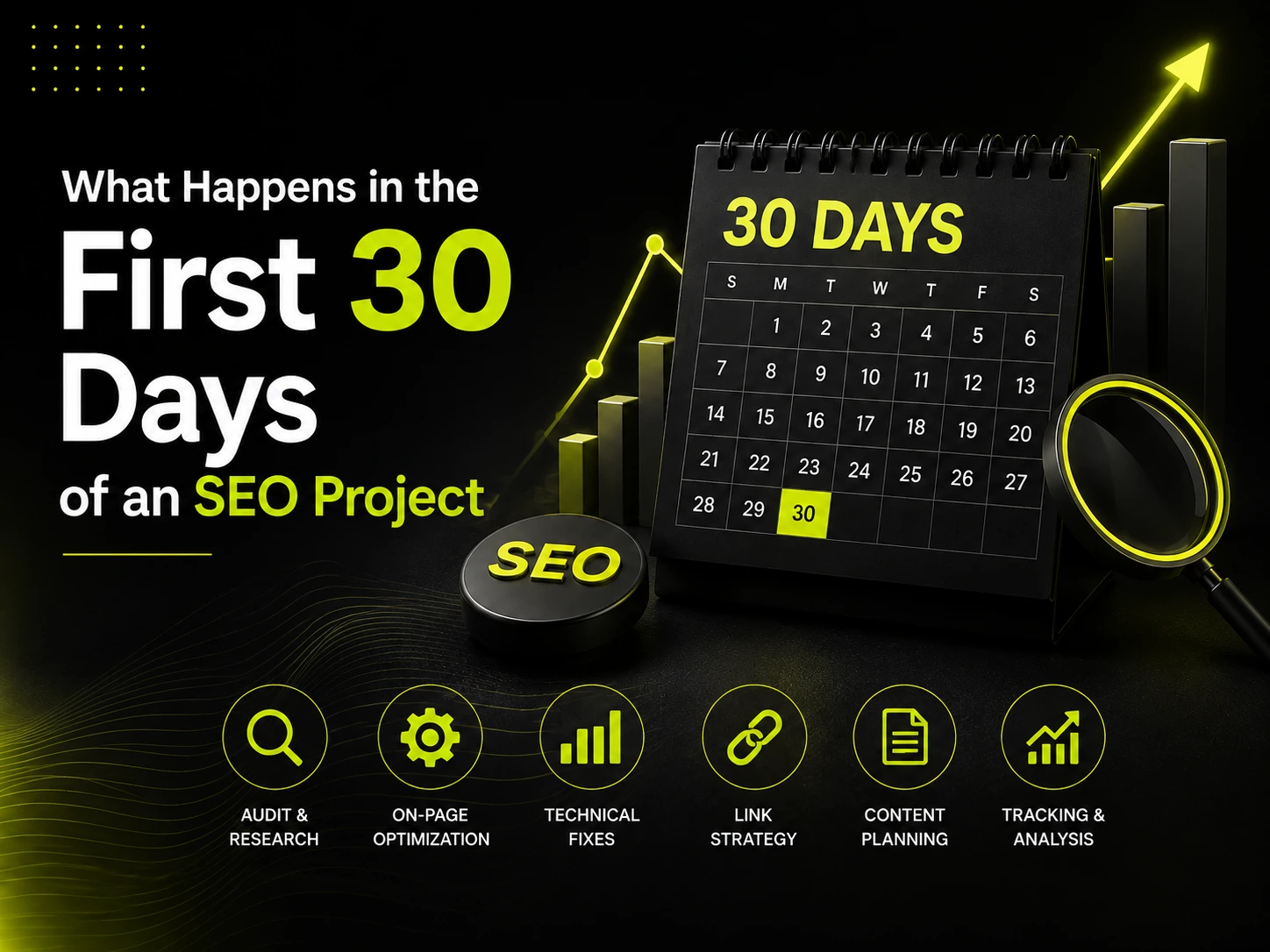
We structure GEOengagements as 90-day programs because that is how long it takes to layfoundations and start measuring meaningful signal. The program has threephases: Foundation, Signal Building, and Compounding.
Foundation (days1 to 30) covers entity establishment, technical signal setup, and baselinemeasurement. Concrete deliverables: Wikidata entry created, llms.txt published,Organization plus Person plus Article schema deployed, named author bios withverified LinkedIn links live, AI crawler allow rules confirmed in robots.txt,and weekly citation matrix baselined for 5 engines and 10 queries. By day 30,all the technical signals that influence retrieval and credibility scoringshould be in place.
Signal Building(days 31 to 60) is where off-page work concentrates. Concrete deliverables: 5to 8 third-party mentions secured (industry trade press, podcast appearances,guest posts), original data study production initiated, directory submissionscompleted (Crunchbase, G2, Clutch, vertical-specific directories), founderLinkedIn cadence established at 3 to 5 posts per week, and Reddit presenceestablished in 1 to 2 industry-adjacent subreddits.
Compounding (days61 to 90) is when the substrate built in phases 1 and 2 starts producingmeasurable citation gains. Concrete deliverables: original data study publishedwith media pitch to 8 to 12 outlets, content refresh sweep across allcornerstone pages (visible date updates, dataModified field), citation trackinganalysis showing first measurable AI citations, and second wave of guestcontent placed on relationship-built relationships from phase 2.
After day 90, GEObecomes a maintenance discipline. The substrate is built; the work is keepingit fresh, expanding the off-page footprint, and refining content based on whatis being cited.
When to invest in GEO vsSEO vs AEO
Not every brandneeds to invest in GEO at the same priority level as SEO. The right allocationdepends on your brand maturity, industry, and where your buyers research. Hereis the decision framework we use with clients.
New brands withno organic visibility should invest in SEO foundation first, then layer AEO,then layer GEO. Without basic SEO foundations (technical health, indexedcontent, ranking for at least branded queries), neither AEO nor GEO cancompound. The exception is brands in industries where GEO is the dominantresearch surface (B2B SaaS for technical buyers, agency services), whereparallel investment in GEO from day one makes sense.
Establishedbrands with SEO traffic plateauing should invest in AEO and GEO simultaneously.SEO compound is reaching its limit, and AI search is where new ground exists.Reallocating 30 to 50 percent of an SEO budget toward AEO and GEO typicallyproduces the strongest year-two results.
B2B brands whosebuyers research with AI tools should weight GEO heavily over AEO. If yourprospects are using ChatGPT and Perplexity to shortlist vendors beforecontacting anyone, traditional SERP rankings are a secondary surface. GEOinvestment becomes the primary driver of pipeline.
Local servicesbusinesses (plumbers, dentists, regional accountants) should weight SEO andLocal SEO heaviest, with AEO secondary and GEO light. Local intent stillresolves through Google Maps and traditional search. AI engines are lesscommonly used for "find me a plumber near me" queries.
E-commerce brandswith product catalogs should weight SEO first, then AEO for category andcomparison pages, then GEO for brand reputation work. Transactional SERPs arestill dominated by traditional rankings. GEO matters for brand considerationand category education.
Agencies andconsultancies should weight GEO and AEO equally, with SEO supportive. Buyersincreasingly use AI engines to shortlist agencies before contacting any ofthem. The agencies cited in those shortlists win disproportionate inboundinterest.
FMCG and consumerbrands should weight GEO heavily through Reddit, Quora, and recipe content,with AEO secondary. Consumer questions get asked of AI engines now more thanthey get asked of Google. The brand that gets cited in the AI answer winsconsideration.
Ready to build your GEOprogram?
GEO is the moststrategically important search discipline for the next 5 years and the one mostteams have not started yet. The brands that establish entity authority,citation chain density, and measurement discipline now will be the ones that AIengines cite consistently when buyers research in 2027 and 2028.
UnFoldMart runsGEO programs for B2B SaaS, e-commerce, agency, and FMCG brands across 8markets. If your team is ready to start, the next step is a 30-minute strategycall where we map your brand's current entity signals, identify thehighest-leverage off-page opportunities, and outline a 90-day program tailoredto your industry and budget.
FAQs
Got Questions? We’ve Got Answers – Clear, Simple, and Straight to the Point
Still have questions?
No question is too small—let’s talk

Want to Turn Your Brand Into a Scalable Growth Engine?
We help modern businesses unify branding, websites, SEO, and paid media into one performance-driven system designed to scale.

.jpeg)