Top SEO Mistakes Startups Make in Their First Year
Discover the most common SEO mistakes startups make and how to fix them. Learn practical strategies to drive traffic, rankings, and real growth.

Discover the most common SEO mistakes startups make and how to fix them. Learn practical strategies to drive traffic, rankings, and real growth.
Real projects across branding, packaging, websites and growth.
Straight answers on this topic from the UnFoldMart team.

From branding and packaging to Webflow websites, SEO, AEO and GEO, UnFoldMart brings strategy, design and growth under one team for 250+ brands across 10 markets. Tell us where you want to grow and we'll show you the fastest way there.
Most startups don't fail at SEO because it's complicated.
They fail because of wrong priorities.
Not lack of effort.
Not lack of tools.
Not even lack of budget.
Just small decisions that quietly waste months.
You publish content that never ranks.
Target keywords you'll never win.
Wait for results that never come.
Six months later, you say:
"SEO doesn't work for us."
But usually, it's not SEO.
It's the mistakes.
The good news? Almost all of them are avoidable.
Let's break down the most common SEO mistakes startups make in their first year - and what to do instead.
Early-stage teams have it tough.
You're juggling:
SEO becomes "something we'll figure out later."
So you take shortcuts.
Random blog posts.
AI content dumps.
A few keywords here and there.
It feels like you're doing SEO.
But without a clear strategy, nothing compounds.
SEO rewards consistency, not chaos.
Before we jump into mistakes, one truth:
SEO needs:
It doesn't need hacks.
Once you accept that, everything gets easier.
This is the classic one.
Startups target terms like:
These keywords are insanely competitive.
You're competing with companies that have:
You won't rank anytime soon.
Target long-tail, buyer-intent keywords.
Examples:
Lower volume. Higher conversions. Faster wins.
Intent beats volume every time.
Many founders jump straight into content.
But if your site has:
Google struggles to crawl it.
Which means your content won't rank anyway.
Fix the foundation first.
Technical SEO isn't glamorous, but it's essential.
Fast, clean, crawlable sites always perform better.
This happens all the time.
You publish:
None of it targets real search demand.
So traffic stays flat.
Content without strategy is just noise.
Plan content around:
Every article should answer one specific query.
Helpful beats frequent.
SEO is not paid ads.
You don't flip a switch and get traffic tomorrow.
Many startups quit after 2 or 3 months.
That's right when momentum usually starts building.
Think in quarters, not weeks.
Realistic timeline:
Consistency wins.
Impatience kills SEO.
Some teams "do SEO once."
They optimize pages and forget about it.
But SEO is not a project.
It's a process.
Algorithms change. Competitors improve. Content ages.
Run monthly audits.
Update old posts. Add internal links. Refresh content.
Small ongoing improvements compound massively.
Startups often say:
"We'll focus on backlinks later."
Later never comes.
Without backlinks, Google sees your site as low authority.
Even great content struggles to rank.
Start early.
Try:
You don't need hundreds.
A few strong links make a huge difference.
Here's a painful truth.
Traffic doesn't equal revenue.
Many startups finally get visitors… and still get zero leads.
Why?
Because the page:
SEO without conversions is wasted effort.
Optimize UX alongside SEO.
Clear value proposition. Testimonials. Strong CTAs.
Traffic + trust = results.
AI tools are great for speed.
But publishing unedited AI content is risky.
It often becomes:
Search engines are getting better at spotting low-quality content.
Use AI for drafts.
Then edit heavily.
Add examples. Insights. Personality.
AI should assist, not replace thinking.
This one surprises me.
Some startups don't even check their data.
Without tracking, you're guessing.
Set up:
Track:
Data tells you exactly what to improve.
Guessing wastes time.
Founders often try to handle SEO themselves.
Between product and sales.
It becomes inconsistent.
Half-written blogs. Missed updates. No follow-through.
SEO requires steady effort.
Not "when there's time."
Either build internal systems or get expert help.
Consistency matters more than intensity.
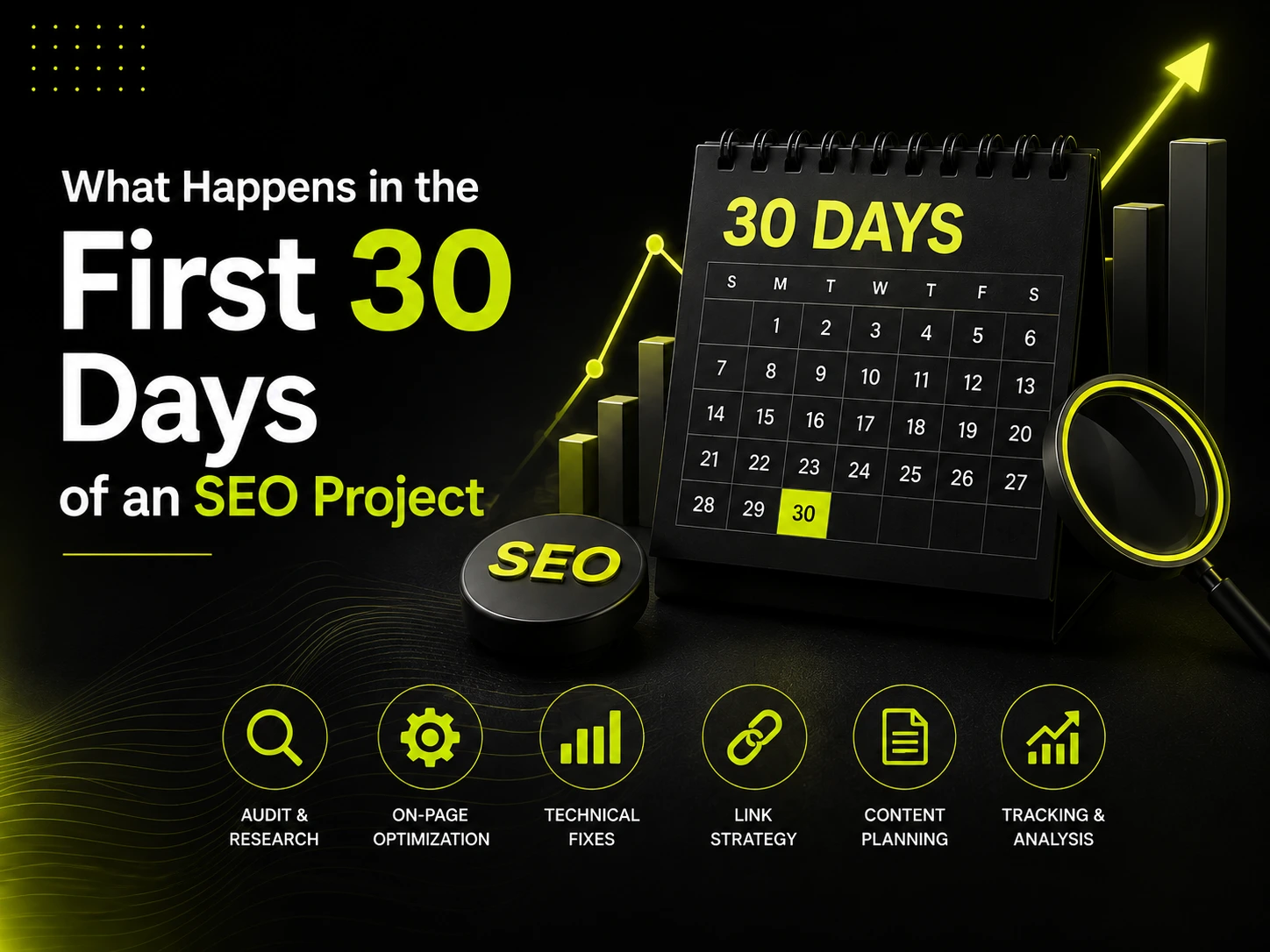
Here's a simple framework:
Month 1
Fix technical setup
Month 2-3
Publish high-intent content
Month 3+
Start backlinks and distribution
Ongoing
Track, update, optimize
Simple. Repeatable. Effective.
No hacks required.
SEO is powerful, but early mistakes can waste months.
That's why many startups work with UnFoldMart.
We help teams build structured SEO systems - from audits and strategy to content and growth - so you don't learn everything the hard way.
👉 Talk to our team and turn SEO into a predictable growth engine from day one.
Straight answers on this topic from the UnFoldMart team.
Focus on quality. Four to eight strong posts per month is enough.
Ads are fast. SEO compounds. The best strategy combines both.
Yes, with the right checklist and systems.
Usually three to six months for meaningful traction.
Chasing competitive keywords instead of high-intent ones.