The AI-Ready Website Checklist: Schema, llms.txt, Crawlability and Entity Pages
Make your website AI-ready with this checklist for crawlability, schema markup, llms.txt and entity pages to improve AI search visibility.
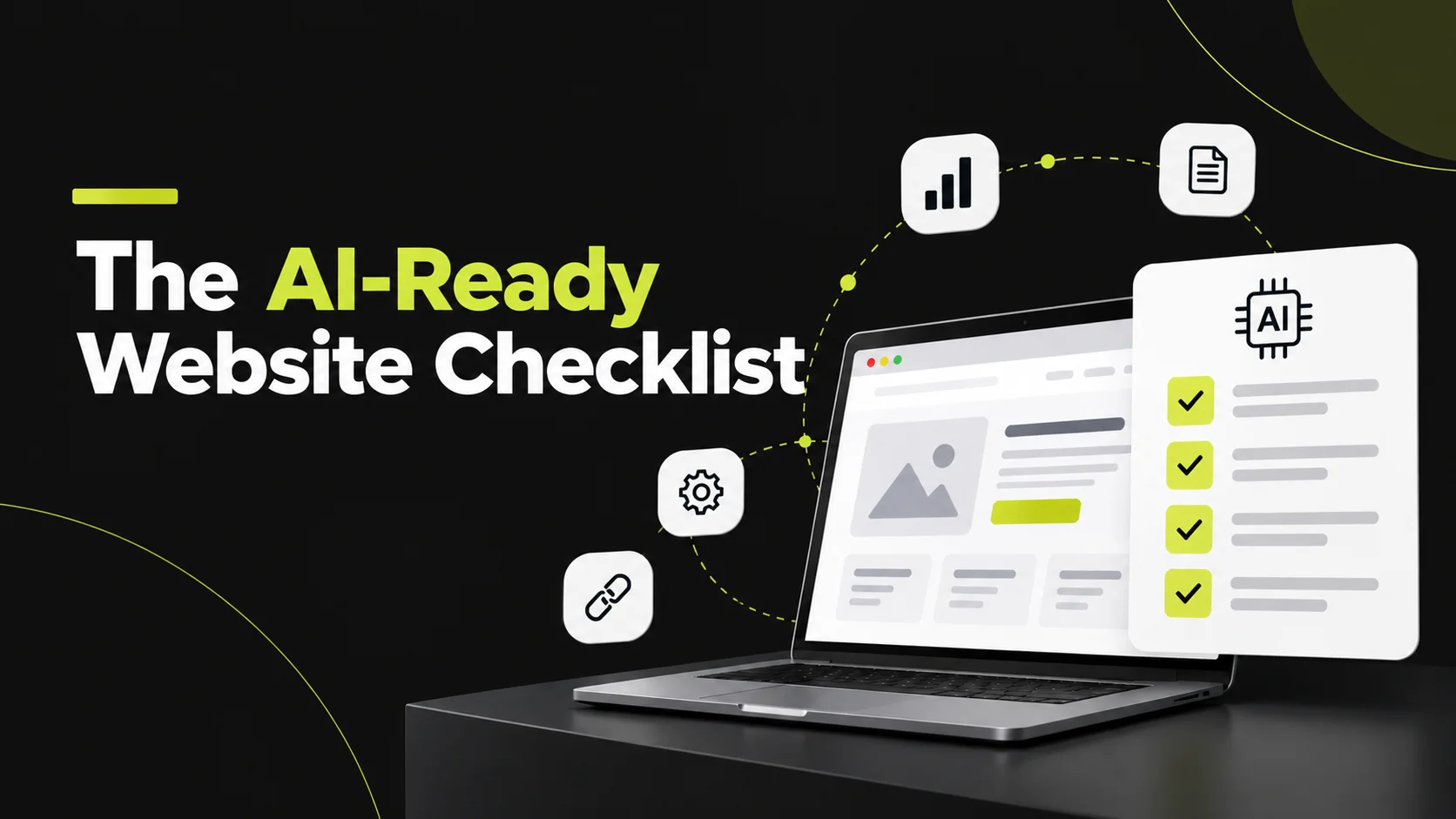
Make your website AI-ready with this checklist for crawlability, schema markup, llms.txt and entity pages to improve AI search visibility.
Real projects across branding, packaging, websites and growth.
Straight answers on this topic from the UnFoldMart team.
From branding and packaging to Webflow websites, SEO, AEO and GEO, UnFoldMart brings strategy, design and growth under one team for 250+ brands across 10 markets. Tell us where you want to grow and we'll show you the fastest way there.
An AI-ready website is built so AI assistants like ChatGPT, Perplexity, and Google AI can crawl its pages, understand its content, and confidently cite or recommend the brand. Four elements help make this possible: crawlability, schema markup, an llms.txt file, and clear entity pages. Together, they help AI systems access important information, interpret the website's structure, and understand who the business is and what it offers. Most websites can address these areas through focused improvements without requiring a complete rebuild
• An AI-ready website is one that AI assistants cancrawl, understand, and quote, which now decides whether buyers find you whenthey ask ChatGPT, Perplexity, or Google AI instead of typing a search.
• Four things make a site AI-ready: clean crawlability sobots can reach your pages, schema so machines understand them, an llms.txt fileso AI tools find your best content, and entity pages so the model knows who youare.
• Most sites are already losing citations they can not see, because the work that wins AI mentions is invisible in a normal traffic report until a competitor starts getting named and you do not.
• You do not need a rebuild. You need a focused passacross these four areas, which a capable team can ship in weeks, not months.
• The payoff is compounding: the same fixes that get you cited by AI also strengthen classic SEO, because both reward a site that is fast, structured, and clearly about something.
Here is the uncomfortable part. Somewhere today, a buyer who would have been perfect for you typed a question into ChatGPT or Perplexity instead of Google. The AI gave them three names. You were not one of them, and you will never see that moment in your analytics. No bounce, no lost session, just a sale that quietly went somewhere else.
That is the shift. Search is no longer only a list of blue links you fight to climb. It is increasingly an answer, written by a machine that read the web and decided who to mention. If your website is not built for that machine to read, you are invisible in the exact moment a customer is deciding.
The good news is that getting found by AI is not mysterious, and it is not a rebuild. It comes down to four practical things, and this checklist walks you through all of them in plain language. Work through it, and your site stops being skipped.
"More than half of B2B buyers now start product research with an AI chatbot more often than with a traditional search engine, and manyend up choosing a vendor the AI named that they had never heard ofbefore."
Source: G2, The Answer Economy report,2026.
An AI-readywebsite is one that an AI assistant can do three things with: reach it,understand it, and trust it enough to quote it. Reach is crawlability. Understanding is schema and clear content. Trust is your entity, the web-widesense of who you are and what you are known for. Miss any one, and you drop outof the answer.
Think of it less as a new discipline and more as making your site legible to a very fast,very literal reader who will never scroll, guess, or give you the benefit of the doubt. The four sections below are the checklist. You can hand them straight to whoever builds your site.
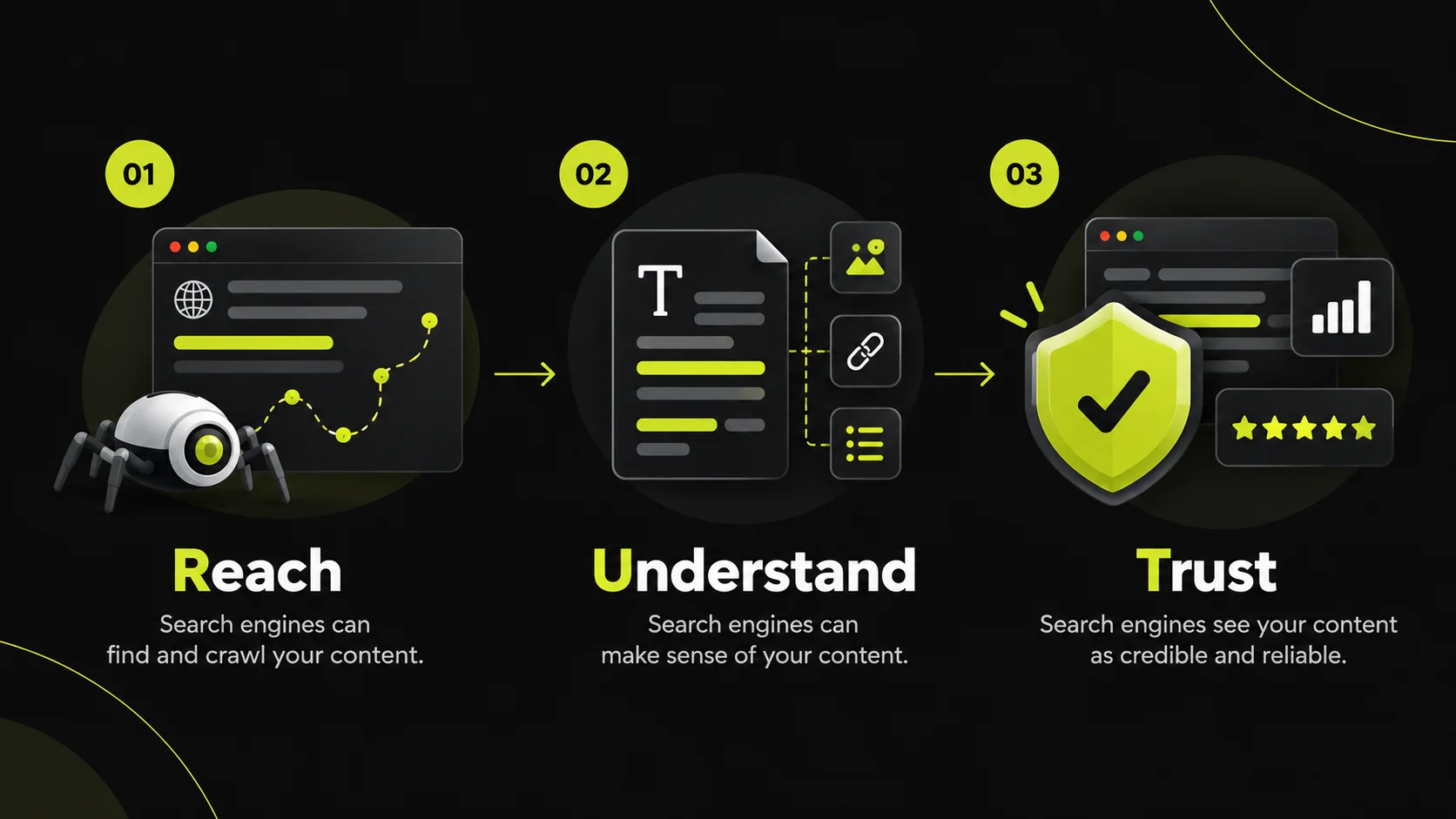
None of theclever stuff matters if the bots cannot get in. AI crawlers are hungry butimpatient. If your important pages are buried, blocked, or slow, they getskipped, and a page that is never read is never cited. Crawlability is thefloor everything else stands on.
Start by making sure you are not accidentally shutting the door. Many sites block AI crawlers in robots.txt without realising it, or hide key content behind scripts thatbots do not execute. Fix the plumbing first, then worry about the polish.
1. Check robots.txt allows the AI crawlers you want, suchas GPTBot, PerplexityBot, ClaudeBot, and Google-Extended, unless you have aclear reason to block one.
2. Publish a clean XML sitemap and keep it current, sobots have a map to every page that matters.
3. Make sure core content renders in plain HTML, not only after JavaScript runs, because many crawlers will not wait for scripts.
4. Keep your most valuable pages within a few clicks ofthe homepage, so nothing important is stranded deep in the site.
5. Fix slow load times and broken links, since both wastethe limited patience a crawler gives you.
If your currentsite is slow or hard to crawl, that is usually a build problem, not a contentproblem. It is the first thing we fix in a website development engagement, because speed and clean structure help humans and machines in the same move.
Crawling gets the bot onto the page. Schema tells it what the page means. Schema markup is a small piece of structured data in your code that labels things explicitly: this is an article, this is the author, this is a FAQ, this is your organisation. Without it, a machine has to guess. With it, it knows.
This is one ofthe highest-leverage, lowest-drama fixes on the whole list. It is invisible tovisitors, quick to add, and it is exactly the structured clarity that AIengines reward when they decide whose answer to lift.
"Structured data does not change what a human sees, butit changes what a machine understands, which is why it quietly decides who getspulled into an AI answer and who gets paraphrased without credit."
Source: UnFoldMart web and AI searchpractice, 2026.
Add the schema, then validate it, because broken markup can do more harm than none. The point is not to tag everything, it is to tagthe things you want quoted.
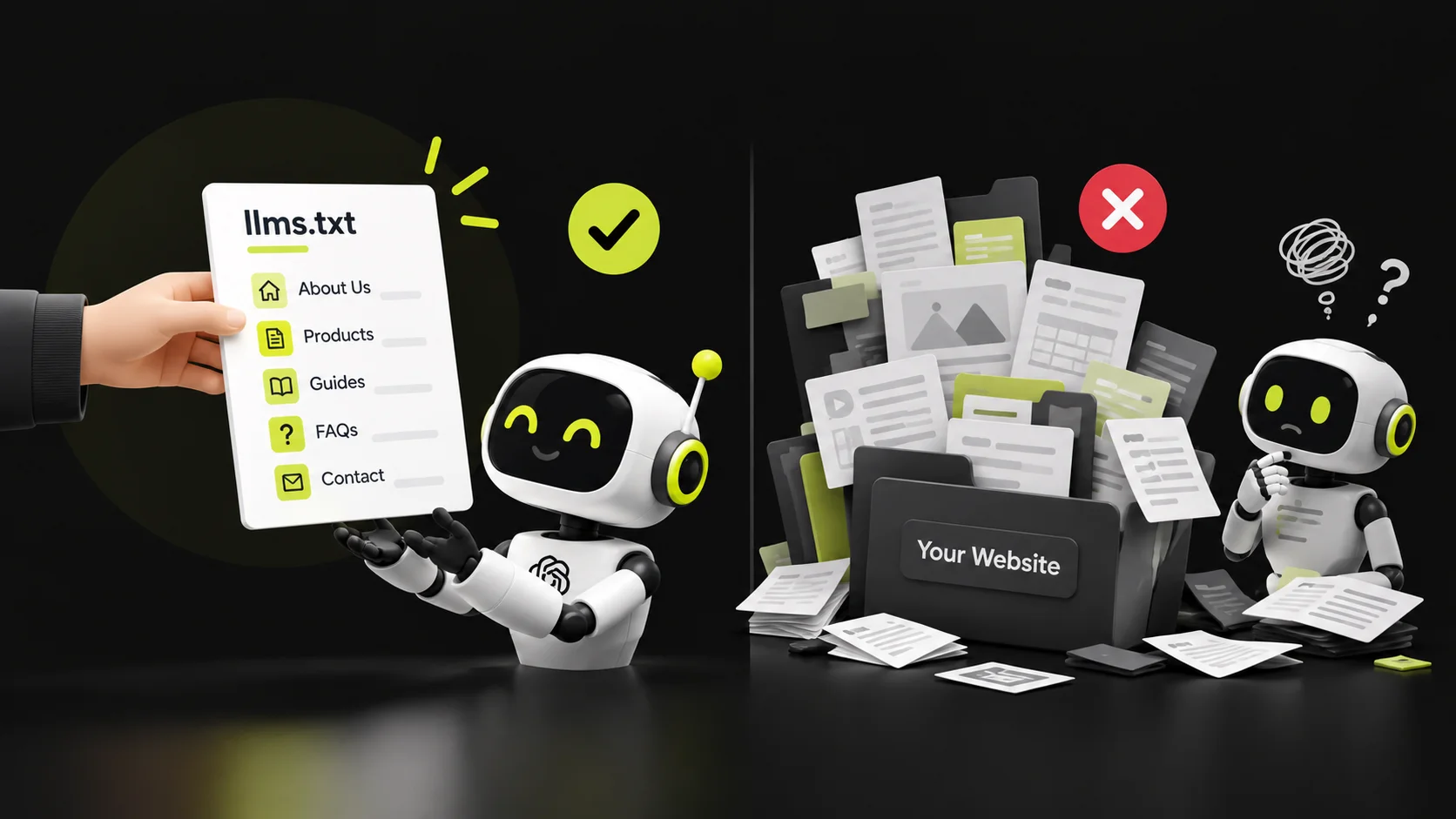
llms.txt is anewer idea with a simple job. It is a plain text file at the root of your site that points AI tools to the content you most want them to read, in a clean,distraction-free form. Think of it as a curated menu you hand the AI, instead of making it rummage through your whole kitchen.
It is early,and not every engine uses it yet, but it costs very little to add and itsignals that your site is built with AI readers in mind. For a brand that wants to be cited, that is exactly the signal to send.
• Your core service and product pages, so the AI knows what you actually offer.
• Your strongest guides and reference content, the pages you would be proud to be quoted from.
• Your about or company page, so the model can anchor whoyou are.
• Clean, readable versions of key pages, free ofnavigation clutter and pop-ups.
This is the onemost sites miss, and it is the one that separates brands that get named frombrands that do not. An entity is the web-wide understanding of a thing: your company, your founder, your product, as a distinct, recognised subject. AI assistants recommend entities they can describe with confidence. If the web isvague about who you are, the AI stays vague too, and vague brands do not getnamed.
Entity pages are the pages that make you legible: a strong about page, a founder or team page, clear product and service pages, and consistent facts about you everywhere you appear. The goal is simple. When an AI reads about you acrossthe web, every source should tell the same story.
"AI assistants name the brands they can describe confidently. The work of getting named is mostly the work of becoming a clear,consistent entity that the web agrees on."
Source: UnFoldMart web and AI searchpractice, 2026.
6. Write a genuinely informative about page that stateswho you are, what you do, and where, in plain facts a machine can lift.
7. Keep your name, locations, and core claims identicalacross your site, directories, and profiles, because contradictions make AIunsure.
8. Give your founder and key people real pages, so themodel can connect person to company.
9. Earn mentions on sites the AI already trusts, sinceyour entity is built as much off your site as on it.
10. Add Organization and Person schema to tie these factstogether in a way machines read directly.
Getting namedby AI is a discipline of its own, which is why we run it as dedicated answer engine optimisation and generative engine optimisation work, built on the same clean foundation this checklist gives you.
Here iseverything in one place, so you can score your own site in ten minutes. Tick what you already have, and you will see exactly where the gaps are.
When we audit asite against this list, the pattern is remarkably consistent. The basics are half-done, the high-value items are missing, and nobody has noticed because none of it shows up as a red number in analytics. Here is the typical picture,and where the fastest wins are.
Most agencieswill build you a website. Very few build it so that Google, ChatGPT,Perplexity, and Google AI all find you, understand you, and name you. That gapis exactly where UnFoldMart works.
We run branding, website, and AI search as one team on one plan, so your site is notjust handed over and forgotten. It is built on the clean, structured,entity-strong foundation this checklist describes, and then actively worked soyou start showing up in the answers your buyers are already reading.
Get named by AI before your competitors do.
Book a free 30-minute call with UnFoldMart. We will score your site against this checklist live, name the gaps that are costing you citations, and show you the fastest path to getting found by AI. One team for your brand, website, and AI search. No sales pitch.
Book your free AI-readiness call with UnFoldMart
Prefer to explore first? See how we build AI-ready websites.
Got Questions? We’ve Got Answers – Clear, Simple, and Straight to the Point
You often cannot see it directly, which is the problem, because a missed AI mention leaves no trace in analytics. The signal is indirect: competitors getting named in AI answers while you are not. The fastest way to know is an audit against this checklist, which shows the gaps that are costing you citations.
AI assistants recommend brands they can describe confidently. Entity pages, a strong about page, team pages, and consistent facts across the web, give the model a clear, trustworthy picture of who you are. When every source agrees on your story, the AI repeats it. When the web is vague about you, the AI stays vague too.
Yes, more than ever. Schema is invisible to visitors but tells machines exactly what a page means, which helps both classic rich results and AI citations. It is one of the highest-leverage, lowest-effort items on this list, and missing schema is one of the most common reasons a page gets paraphrased without credit.
llms.txt is a plain text file at your site root that points AI tools to the content you most want read, in a clean form. Adoption is still early and not every engine uses it, but it costs little to add and signals an AI-friendly site. Treat it as a low-effort bet, not a guaranteed win.
Usually not. Most sites need a focused pass across crawlability, schema, llms.txt, and entity pages, not a full rebuild. A capable team can ship these changes in weeks. A rebuild is only worth it if the site is already slow, hard to crawl, or impossible to edit, in which case you were due an upgrade anyway.
An AI-ready website is one that AI assistants can crawl, understand, and quote. In practice that means clean crawlability so bots reach your pages, schema so machines understand them, an llms.txt file pointing to your best content, and strong entity pages so the AI knows who you are and recommends you with confidence.