Packaging Design for Food & Beverage Brands in the U.S.: 2026 Trends
Explore the top U.S. food & beverage packaging trends for 2026: proven sustainability, new recycling laws, FDA labeling changes, QR codes and health-forward convenience.

Explore the top U.S. food & beverage packaging trends for 2026: proven sustainability, new recycling laws, FDA labeling changes, QR codes and health-forward convenience.
Real projects across branding, packaging, websites and growth.
Straight answers on this topic from the UnFoldMart team.
From branding and packaging to Webflow websites, SEO, AEO and GEO, UnFoldMart brings strategy, design and growth under one team for 250+ brands across 10 markets. Tell us where you want to grow and we'll show you the fastest way there.
In the U.S. food and beverage industry, packaging plays a crucial role in attracting consumers, keeping products safe and expressing brand identity. In 2026, food and beverage packaging design has to keep up with new recycling laws, changing labeling rules, connected packaging and shoppers who want proof, not promises.
In this article, updated for 2026, we look at the key considerations and current trends in food and beverage packaging design in the U.S., and how your brand can use them to create packaging that is eye-catching, functional and sustainable.
For food and beverage companies in the U.S., packaging is not just about protecting the product; it is an essential marketing tool. Packaging is often a shopper’s first impression of a product, and it shapes the buying decision. In Innova Market Insights’ 2026 packaging research, 44% of consumers said packaging is very important and 27% said it is extremely important to their food and beverage choices.
When designing packaging for food and beverage products in the U.S., you have to balance visual appeal with regulatory compliance. Here are the key elements to keep in mind:
Sources: Federal Register, “Definition of Term ‘Healthy’” (2024-29957); Federal Register, “Front-of-Package Nutrition Information”, proposed rule (2025-00778), status checked 19 October 2026.

Innova Market Insights ranks “Substantiated Sustainability” as its number one packaging trend for 2026: the shift from green promises to proof. In the U.S., regulation is driving the same change. California’s SB 54 packaging regulations took effect on 1 May 2026, and producers had to register by the end of May 2026.
Sources: Innova Market Insights via Packaging Insights, 25 February 2026; K&L Gates, “California SB 54 Regulations Finalized”, 7 May 2026.
Bold and minimalist design remains strong in the food and beverage sector, now closely tied to “clean” ingredient stories. Material is part of that message: in a Glass Packaging Institute survey of 4,046 American adults (May to June 2026), 64% said they want more foods and beverages in glass, and 72% said products with healthier ingredient lists should come in packaging they see as healthier.
Source: Glass International, Glass Packaging Institute / EcoFocus survey, 14 October 2026.
Interactive packaging is becoming standard. Innova reports that 61% of consumers worldwide at least sometimes interact with connected packaging such as QR codes, and that food and beverage launches with QR codes grew 28% a year between 2021 and 2025. In the U.S., GS1 US’s “Sunrise 2027” initiative aims for retail checkouts to scan 2D barcodes, such as QR codes, by the end of 2027.
Sources: Innova Market Insights via Packaging Insights, 25 February 2026; NACS, “Setting Up for Sunrise 2027”, 5 October 2026.
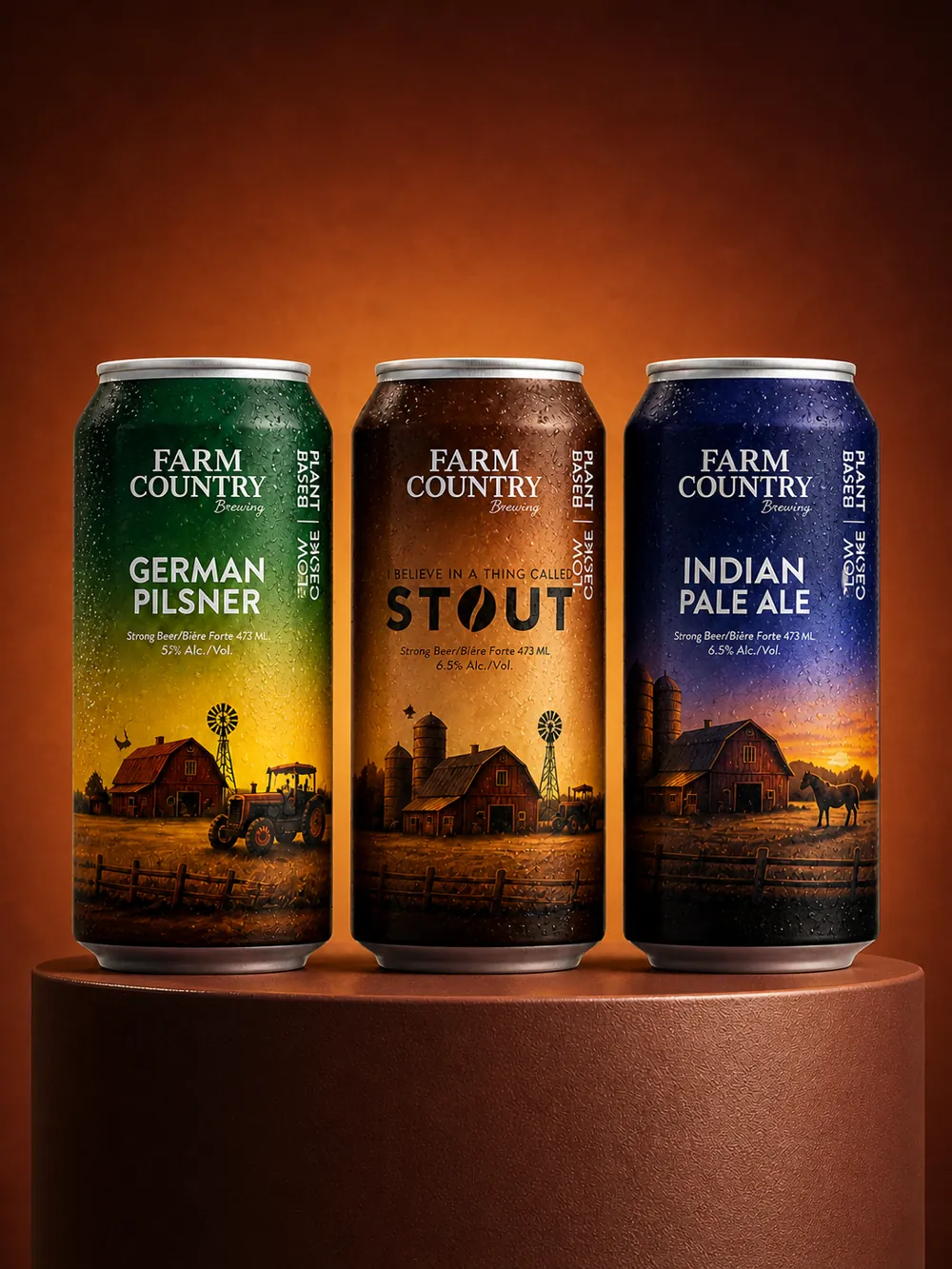
For premium food and beverage brands, packaging is a key selling point. High-quality materials, custom designs and elegant finishes signal exclusivity, and digital printing now makes limited editions and regional or personalized designs practical. Innova lists “Packaged for You” among its top packaging trends for 2026.
Packaging design shapes your brand identity: it tells a story that resonates with consumers.
Convenience is still a top priority, and in 2026 it is increasingly linked to health and portion control. Innova calls this “Health-Forward Convenience”: soft drink launches under 150 ml grew 14% a year from 2021 to 2025, and individually packed snacks under 50 g grew 11% a year over the same period.
Source: Innova Market Insights via Packaging Insights, “Top Packaging Trends 2026”, 25 February 2026.
In 2026, food and beverage packaging design in the U.S. is about proven sustainability, clean and transparent design, connected packaging and health-forward convenience, while keeping up with state recycling laws and FDA labeling changes. Brands that adapt now will stay competitive.
At UnFoldMart, we create packaging design that helps food and beverage brands in the U.S. stand out on the shelf and deliver memorable consumer experiences. Whether you need eco-friendly packaging, custom designs or premium finishes, our team is here to help.
Contact us today to schedule a free consultation and create packaging that strengthens your brand and drives consumer engagement.
Got Questions? We’ve Got Answers – Clear, Simple, and Straight to the Point
Recyclable, compostable and paper-based materials and glass are in demand. In a 2026 Glass Packaging Institute survey, 64% of US adults said they want more foods and beverages in glass. Choose materials whose environmental claims you can prove.
It depends on design complexity, the number of products and the agency. ManyPixels (October 2026) puts packaging design projects by international agencies at about €4,450 to €35,600+ ($5,000 to $40,000+), with each extra SKU adding about €530 to €1,340.
UnFoldMart specializes in custom packaging design, eco-friendly materials, and brand identity development to create packaging that aligns with your values and resonates with your target audience.
Innova Market Insights names five top packaging trends for 2026: substantiated sustainability, digital-enhanced (connected) designs, health-forward convenience, personalized packaging and sensory unboxing.
Packaging is crucial for brand differentiation, consumer appeal, and product protection. It helps communicate your brand’s identity, engage consumers, and ensure product safety.